
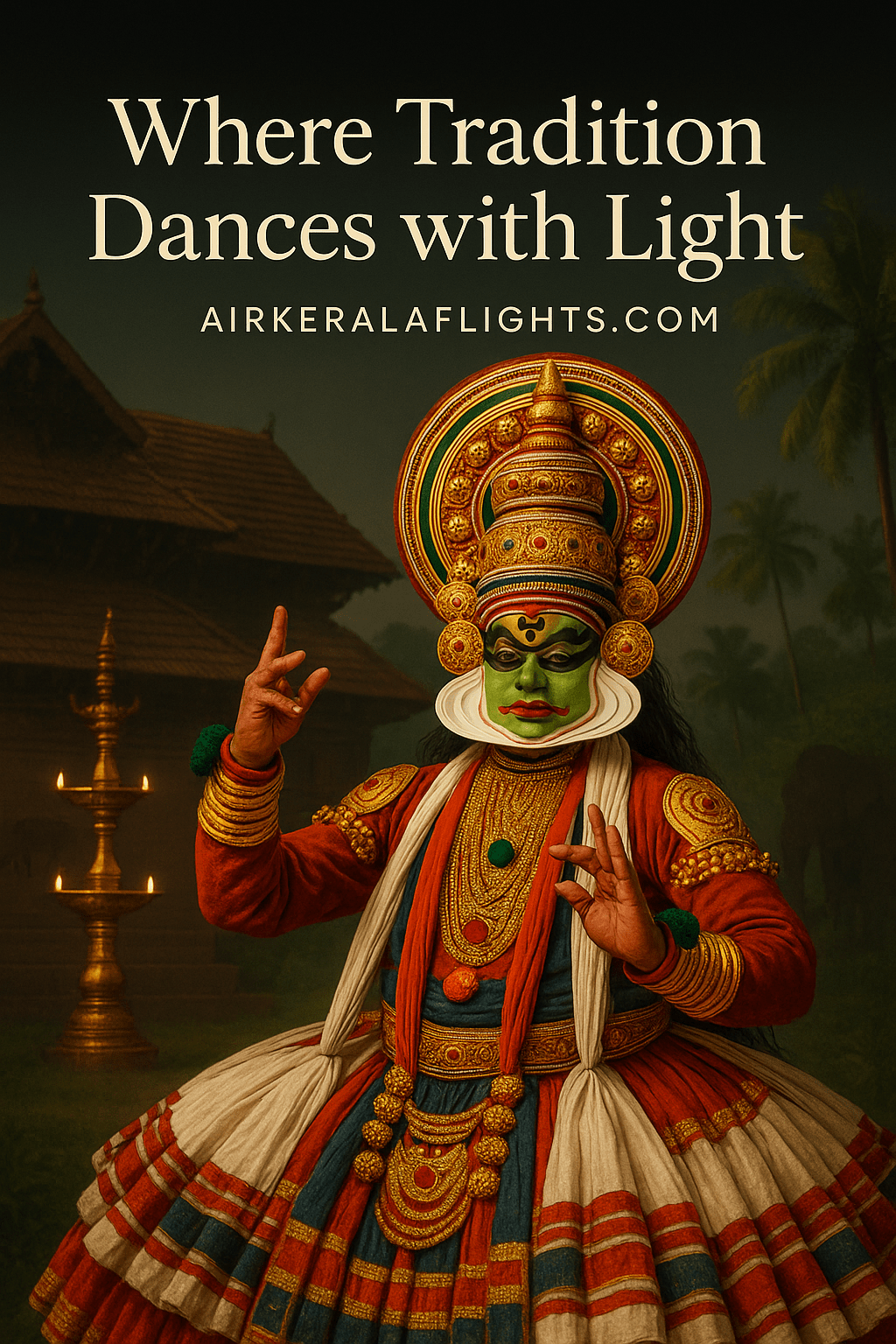
Kathakali is a traditional Indian classical dance-drama that originated in Kerala. Celebrated for its elaborate artistry and cultural richness, it is one of the most intricate forms of Indian theatre. Native to the Malayalam-speaking regions and primarily performed by Malayali artists, Kathakali combines dance, drama, music, and facial expressions to enact stories from Hindu epics such as the Ramayana and Mahabharata.
Kathakali draws heavily from the Natya Shastra, an ancient Sanskrit text on performing arts authored by sage Bharata. Its literary base is the Attakatha, or Kathakali literature, which contains the scripted verses enacted during performances. Traditionally performed in temple courtyards and royal courts, Kathakali is regarded as a Suvarna Kala or golden art form.
The art form is closely related to Kutiyattam, the only living tradition of ancient Sanskrit theatre, recognized by UNESCO as a Masterpiece of the Oral and Intangible Heritage of Humanity. Kutiyattam shares thematic and technical foundations with Kathakali but is more ancient in origin.
Key Features:
- Genre: Indian Classical Dance-Drama
- Cultural Origin: Kerala, India
- Language of Performance: Malayalam
- Literary Base: Attakatha
- Influential Text: Natya Shastra
- Related Art Form: Kutiyattam
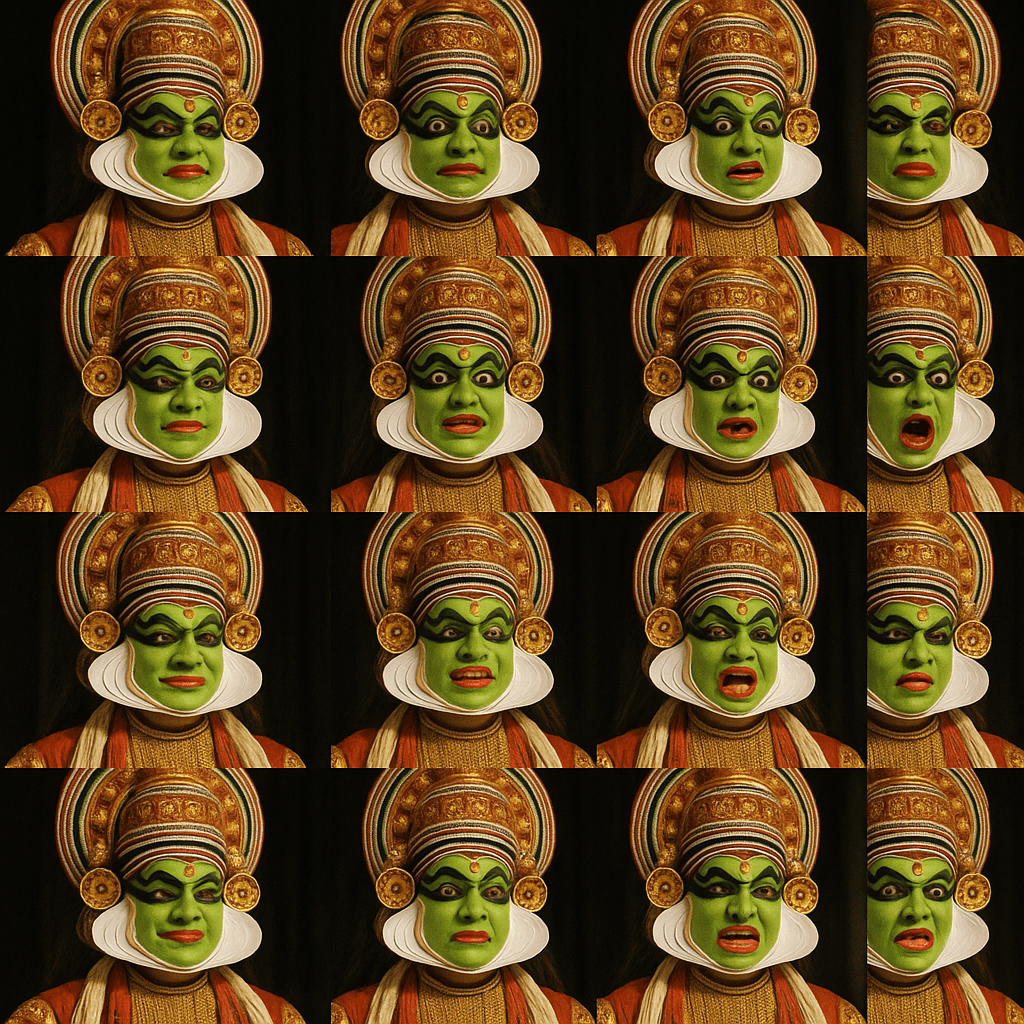
Kathakali’s signature includes elaborate costumes, towering headgear, dramatic facial makeup, and detailed hand gestures (mudras). The performance emphasizes the navarasas — the nine emotions — and demands years of rigorous training. Today, Kathakali continues to be a powerful symbol of Kerala’s cultural identity and artistic legacy.
 Air Kerala Flights